


The alarm goes off at 5.30am.
Outside, it is barely light. There is a low mist hanging over green paddocks, and somewhere in the distance a dairy shed is already humming into action. For a farm vet in New Zealand, the day has started.
This is not a desk job. It is not predictable. And it is rarely quiet.
Working as a farm veterinarian here means stepping straight into the rhythm of rural life. The seasons matter. The weather matters. And the cows definitely matter.
Let us show you what a typical day can look like for a dairy farm veterinarian in New Zealand.
Early Starts and Calving Calls
Spring is the busiest time of year. It is calving season, and that means long days, early mornings and plenty of mud.
By 6.30am, many farm vets are already on their first property. The farmer has flagged a difficult calving overnight. It might be a breech calf. It might be twins. It might simply be a tired cow that needs assistance.
Some mornings run smoothly. Others turn into back-to-back emergency calls.
Between calvings, there is pregnancy scanning. Dozens, sometimes hundreds, of cows to ultrasound. You stand on the platform for hours, focused, methodical, moving from animal to animal. It is repetitive work, but it is vital. Reproductive performance drives the entire dairy system.
In quieter seasons, the work shifts. Winter might bring metabolic testing, trace element checks or mobility scoring. Autumn could focus on herd planning and preventative health programmes. No two months are quite the same.
Out on the Land
One of the first things vets notice about working in New Zealand is the landscape.
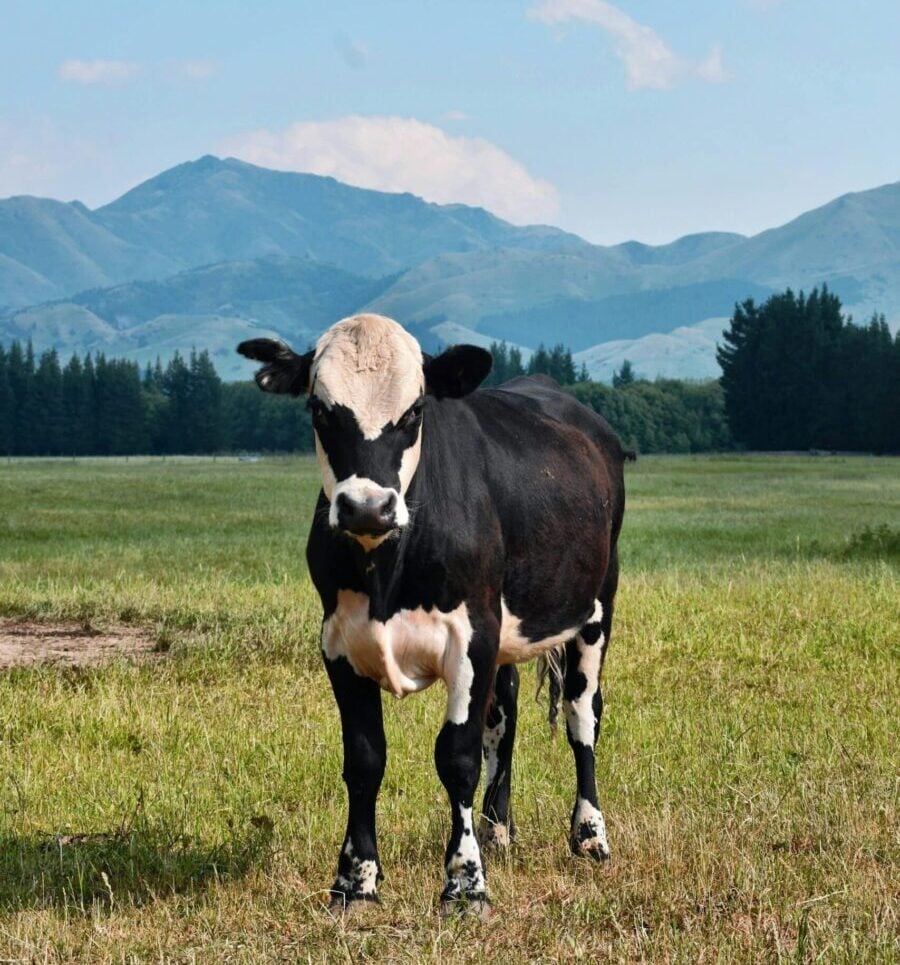
You can start your morning in rolling Southland farmland and end it with snow-tipped mountains in the distance. Or you might be in Waikato, surrounded by endless green and black-and-white dairy herds stretching across the horizon.
It is beautiful. But it is also physical.
You are lifting calves. Walking through wet paddocks. Handling cattle in yards. Sometimes you are soaked through by lunchtime. Sometimes you are covered in dust.
And occasionally, you are both.
Farm practice demands resilience. It demands problem-solving in real time. There is no perfectly controlled consult room. You are working in sheds, in fields, in unpredictable conditions. You have to expect the unexpected!
More Than Just Emergencies
People often imagine farm vets only deal with dramatic cases. Difficult births. Major injuries. Urgent disease outbreaks.
That does happen.
But much of the job is preventative and strategic.
A large part of the day can involve herd health planning. Sitting down with a farmer at the kitchen table. Talking through fertility rates, milk production targets, vaccination schedules and biosecurity risks.
You are not just treating animals. You are advising businesses.
In New Zealand’s dairy industry, margins can be tight. Small improvements in herd performance make a significant financial difference. That is where veterinary input becomes critical.
Good farm vets build long-term relationships. They understand each farm’s goals. They know the herd history. They notice subtle changes in performance before they become bigger problems.
The Team Around You
Farm practice is rarely a solo effort.
Veterinary technicians, nurses and support staff play a huge role, particularly in busy seasons. During peak spring, teams might process thousands of calves for procedures like disbudding. Coordination is everything.
There is also mentoring.
Many practices in New Zealand actively support new graduates. Senior vets share knowledge, run internal training sessions and help younger colleagues build confidence in the field. It is hands-on learning at its best.
And because rural communities are tight-knit, you quickly become part of something bigger than just a clinic. You get to know farming families. You attend local events. You build trust that stretches over years, sometimes decades.

The Unpredictable Moments
No two days are identical.
You might plan a neat schedule of routine visits, only for it to unravel by mid-morning because of an emergency call. A cow down in the paddock. A prolapse. An outbreak of mastitis that needs urgent attention.
There is pressure. Farmers rely on you and your decisions matter.
But there is also satisfaction.
When a difficult calving ends with a healthy calf on the ground. When a herd fertility plan improves conception rates the following season. When a young farmer thanks you for helping them navigate their first year in business.
Those moments stay with you.
Heading Home
By late afternoon, the light softens over the paddocks, turning everything a shade warmer and quieter.
There’s still work to do. Notes to finish while the details are clear. A few calls to return. A quick look at tomorrow’s run sheet before heading home.
In spring, the day can stretch long past sunset. In the slower months, there’s a little more breathing space. Farm practice isn’t easy. The hours are demanding, the conditions unpredictable, and some days are simply hard.
But most farm vets in New Zealand don’t stay for convenience.
They stay for the variety and the independence. For the privilege of working outdoors in landscapes that never really lose their impact. For the chance to play a direct role in animal welfare and food production.
And when the alarm sounds before sunrise, they pull on their boots and head back out, knowing the day ahead won’t look quite like the one before.
So, Is It Worth It?
For many vets, particularly those moving from overseas the answer is yes.
They gain advanced production animal experience. They build meaningful client relationships. They enjoy an outdoor lifestyle that is difficult to replicate elsewhere.
They also step outside their comfort zone. Relocating means adapting to new systems, new colleagues and new expectations. That growth can be transformative, both professionally and personally.
If you are motivated by variety, enjoy working outdoors and want to see the direct impact of your work on large-scale farming operations, New Zealand farm practice offers something distinctive.
If you need support finding a veterinary role in New Zealand, The Vet Service can help. We are veterinary recruitment specialists who can help with everything from finding a job, through to visa and relocation support. Browse our current veterinary job openings in New Zealand or register for our 100% free personalised job finding service to find out how we can help support your next career step.
